
The short answer
AC installation in Cupertino starts with a room-by-room load calculation, a check of your ducts and electrical panel, and a choice between a cooling-only AC and a heat pump. If your gas furnace is also aging, a heat pump can handle both cooling and heating and may save you a second project later.
Adding central air or replacing an aging air conditioner comes down to a few practical questions. How much cooling does your home actually need? Can your ductwork and electrical panel support a new system? Would a heat pump serve you better than a cooling-only AC? CoolVantage Heating & Cooling installs air conditioners and heat pumps for homeowners in Cupertino (95014), about 10 miles west of our San Jose base. This page covers how we plan an installation for a Cupertino home and what to consider before you choose equipment.
Sizing an Air Conditioner for Cupertino Summers
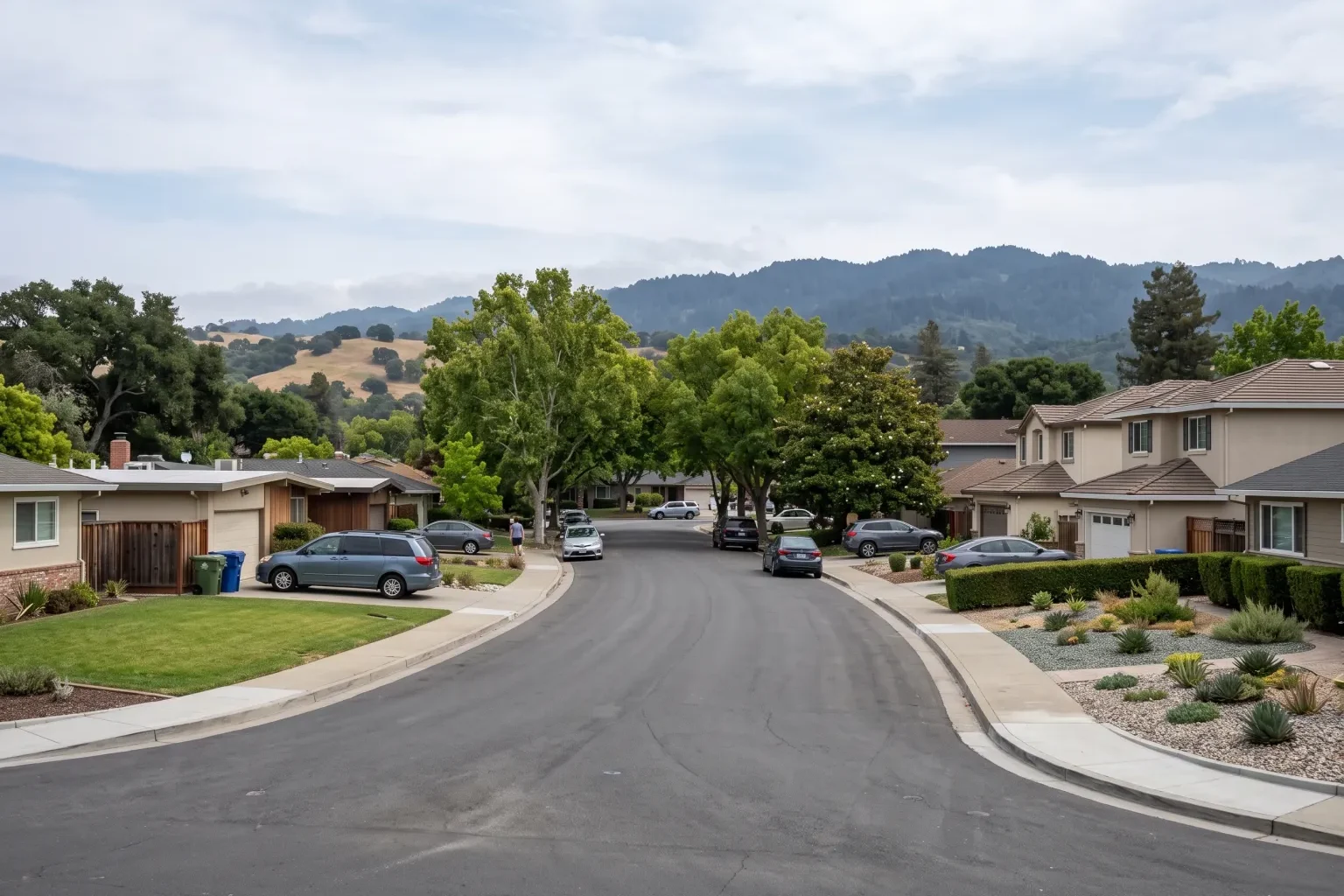
The Santa Clara Valley has a Mediterranean climate, with dry summers and mild, damp winters. Inland parts of the valley run noticeably hotter in summer than areas near the Bay. Cupertino sits on the valley's west side, away from the water, so many homes here see warm afternoons that make air conditioning worth having.
Bigger is not better. An oversized unit cools the air quickly and then shuts off, which is called short-cycling. That leaves some rooms warm, wears the equipment faster, and wastes energy. An undersized unit runs nonstop on the hottest days and still falls behind. We size your system with a load calculation, not a rule of thumb. It accounts for square footage, insulation, window size and orientation, attic conditions, ceiling height, and how your household uses the space.
AC or Heat Pump? Consider Your Furnace Too
A heat pump is an air conditioner that can also run in reverse to heat your home. In a climate with mild winters like Cupertino's, it can often cover all of a household's heating as well as its cooling.
The furnace question matters more than it used to. Under Bay Area Air District Rule 9-4, natural gas furnaces manufactured from 2029 on must meet a zero-NOx emission standard. In practice, that points homeowners toward heat pumps when they replace a furnace after that date. The rule does not force anyone to replace working equipment. It applies only when a furnace fails or is replaced.
If your furnace is getting older, installing a heat pump now may let you handle cooling and heating in one project. If your furnace is fairly new, a cooling-only AC paired with it can be a sensible choice. We'll explain both paths so you can decide based on your home and your plans.
What We Check Before Installing
A good installation depends on more than the equipment. Before we recommend a system, we look at the parts of your home that will support it:
- Ductwork condition, leakage, and whether duct sizes match the airflow the new system needs
- Electrical panel capacity and the circuit the outdoor unit will require
- Outdoor unit placement, including clearances, airflow, noise toward neighbors, and any HOA guidelines
- Space for the indoor coil or air handler in the attic, garage, or closet
- Condensate drain routing so moisture is carried away properly
- Whether existing refrigerant lines can be reused or should be replaced
- Thermostat compatibility, especially for heat pump controls
What to Expect on Installation Day
Once you've chosen a system, we schedule the work and explain what will happen at your home. A typical replacement includes removing the old equipment, setting the new outdoor unit and indoor coil, connecting refrigerant lines and electrical, and testing the system. Homes adding central air for the first time may also need new ductwork or electrical upgrades, which can add time.
Before we leave, we check refrigerant charge, airflow, and temperature drop across the coil, and confirm the thermostat is working correctly. We'll also show you how to use the controls and how often to change the filter. Replacing or adding central air usually requires a permit and inspection, and we'll walk you through what applies to your project.
Incentives and Tax Credits: What Applies Now
The federal Energy Efficient Home Improvement Credit (25C) covered qualifying heat pumps placed in service before December 31, 2025. It is not available for installations after that date.
Bay Area homeowners can still check BayREN and their local clean energy provider for current heat pump and electrification incentives. Amounts and availability change from one funding cycle to the next. We confirm what is currently offered before including any incentive in your quote.
Serving Cupertino and Nearby Communities
Along with Cupertino, we install air conditioning and heat pump systems in Saratoga, Los Altos, Sunnyvale, Santa Clara, and Campbell, as well as throughout San Jose and the rest of Santa Clara County.
More services in Cupertino
- AC Repair in CupertinoLocal service & repairs
- Heating Repair in CupertinoLocal service & repairs
- Heat Pump Installation in CupertinoLocal service & repairs
- Furnace Repair in CupertinoLocal service & repairs
